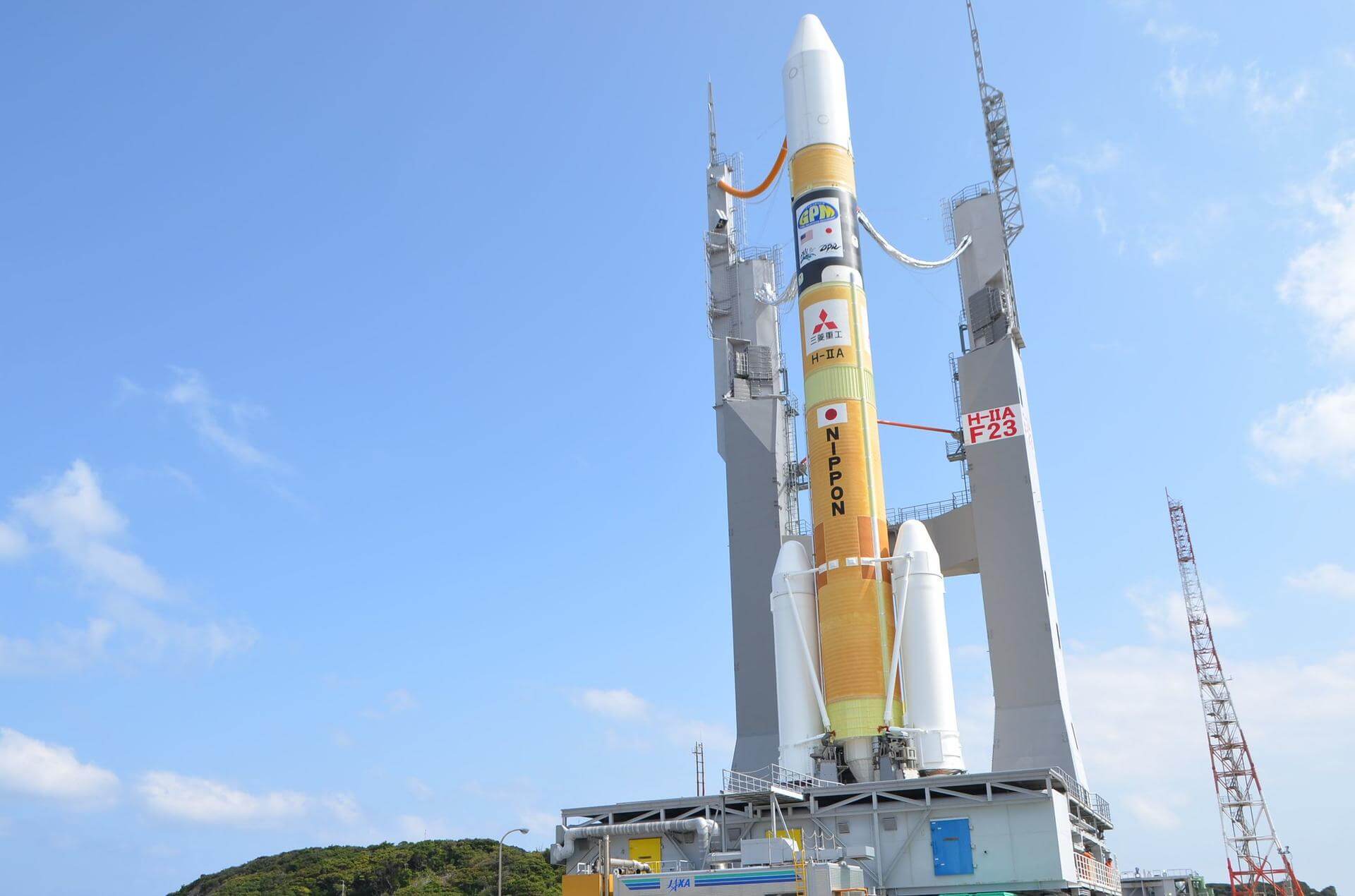
Rollout
H-2A Rocket F47 Rollout
Tanegashima Space Center, Japan H-IIA 202 | XRISM & SLIM
The H-IIA launch vehicle is moved from the Vehicle Assembly Building to the launch pad.
The launch vehicle, which is approximately 53 meters long, is moved 500 meters to the launch pad in about 20 minutes from a standing position.
Updates

LL2 • Aug. 27, 2023, 8:59 a.m.
Livestream has started

hitura-nobad • Aug. 22, 2023, 2:26 p.m.
Added Event
hitura-nobad • Aug. 25, 2023, 7:17 a.m.
Rollout delayed
Related Information
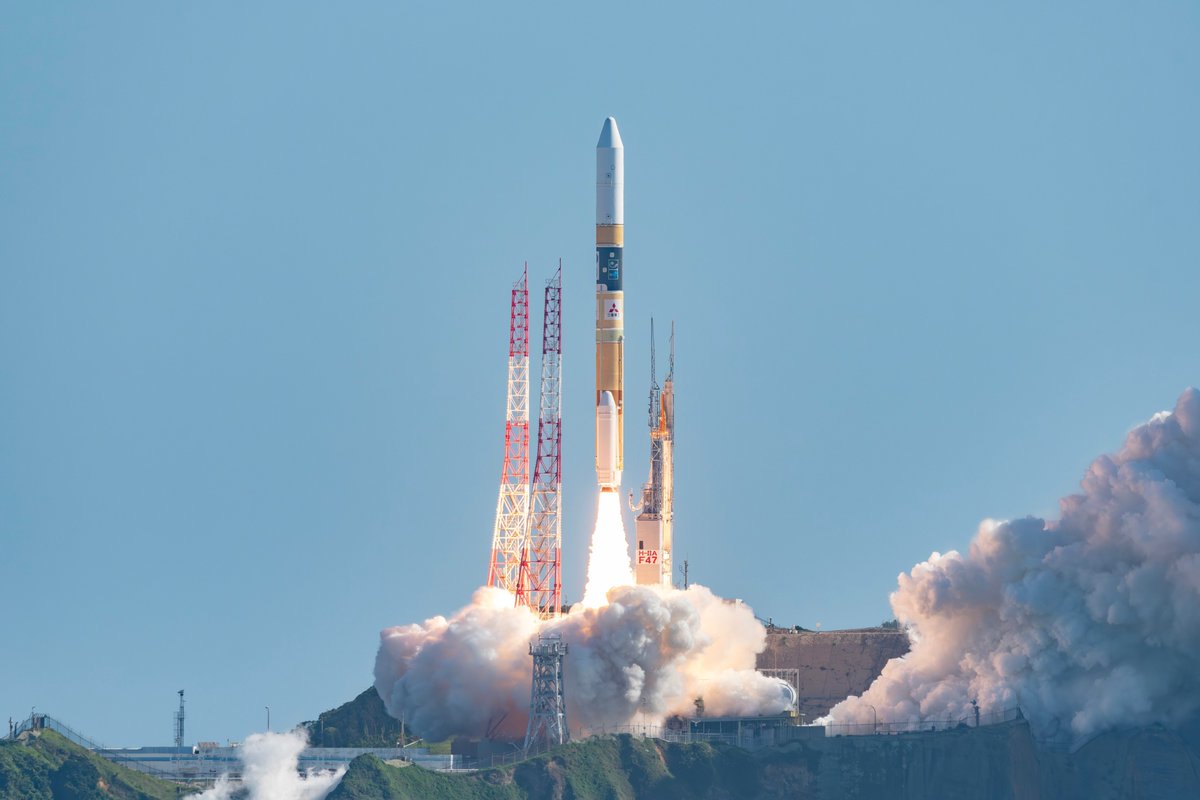
H-IIA 202 | XRISM & SLIM
Mitsubishi Heavy Industries | JapanTanegashima Space Center, Japan
Sept. 6, 2023, 11:42 p.m.
Status: Launch Successful
Mission:
X-Ray Imaging and Spectroscopy Mission (XRISM), formerly the X-Ray Astronomy Recovery Mission (XARM), is a replacement for the Hitomi satellite that malfunctioned few weeks after the launch. Smart Lander for Investigating Moon (SLIM) is a lunar probe that will target a landing on a small crater in Mare Nectaris, an area located near the moon's equator on the side facing Earth.
Lunar OrbitH3-22
Michibiki 7 (QZS-7)
Yoshinobu Launch Complex LP-2 - Tanegashima Space Center, JapanQZSS (Quasi Zenith Satellite System) is a Japanese satellite navigation system operating from inclined, elliptical geosynchronous orbits to achieve o…
Long March 7A
ChinaSat 4B
201 - Wenchang Space Launch Site, People's Republic of ChinaChinese communication geostationary satellite for unknown purposes.
Falcon 9
Starlink Group 17-38
Space Launch Complex 4E - Vandenberg SFB, CA, USAA batch of 24 satellites for the Starlink mega-constellation - SpaceX's project for space-based Internet communication system.
Electron
The Grain Goddess Provides (iQPS Launch 7)
Rocket Lab Launch Complex 1A - Rocket Lab Launch Complex 1, Mahia Peninsula, New ZealandSynthetic aperture radar Earth observation satellite for Japanese Earth imaging company iQPS.
Falcon 9
BlueBird 11-13 (Block 2 #6-8)
Space Launch Complex 40 - Cape Canaveral SFS, FL, USAAST SpaceMobile’s Block 2 BlueBird satellites are designed to deliver up to 10 times the bandwidth capacity of the BlueBird Block 1 satellites, requi…
Smart Dragon 3
OSE HS-01 & 02
Haiyang offshore launch location - Haiyang Oriental Spaceport2 hyper-spectral Earth observation satellites from Chinese company STAR.VISION. Both satellites are built in corporation with foreign customers: *…
Falcon 9
Starlink Group 17-53
Space Launch Complex 4E - Vandenberg SFB, CA, USAA batch of 24 satellites for the Starlink mega-constellation - SpaceX's project for space-based Internet communication system.
Long March 8A
SatNet LEO Group 23
Commercial LC-1 - Wenchang Space Launch Site, People's Republic of ChinaA batch of 9 Low Earth Orbit communication satellites for the Chinese state owned SatNet constellation operated by the China Satellite Network Group.…
Falcon 9
Starlink Group 17-52
Space Launch Complex 4E - Vandenberg SFB, CA, USAA batch of 24 satellites for the Starlink mega-constellation - SpaceX's project for space-based Internet communication system.
Falcon 9
NROL-95
Space Launch Complex 40 - Cape Canaveral SFS, FL, USAClassified payload for the US National Reconnaissance Office.