Press Event
Boeing Starliner CFT Media Teleconference
None Atlas V N22 | CST-100 Starliner Crewed Flight Test
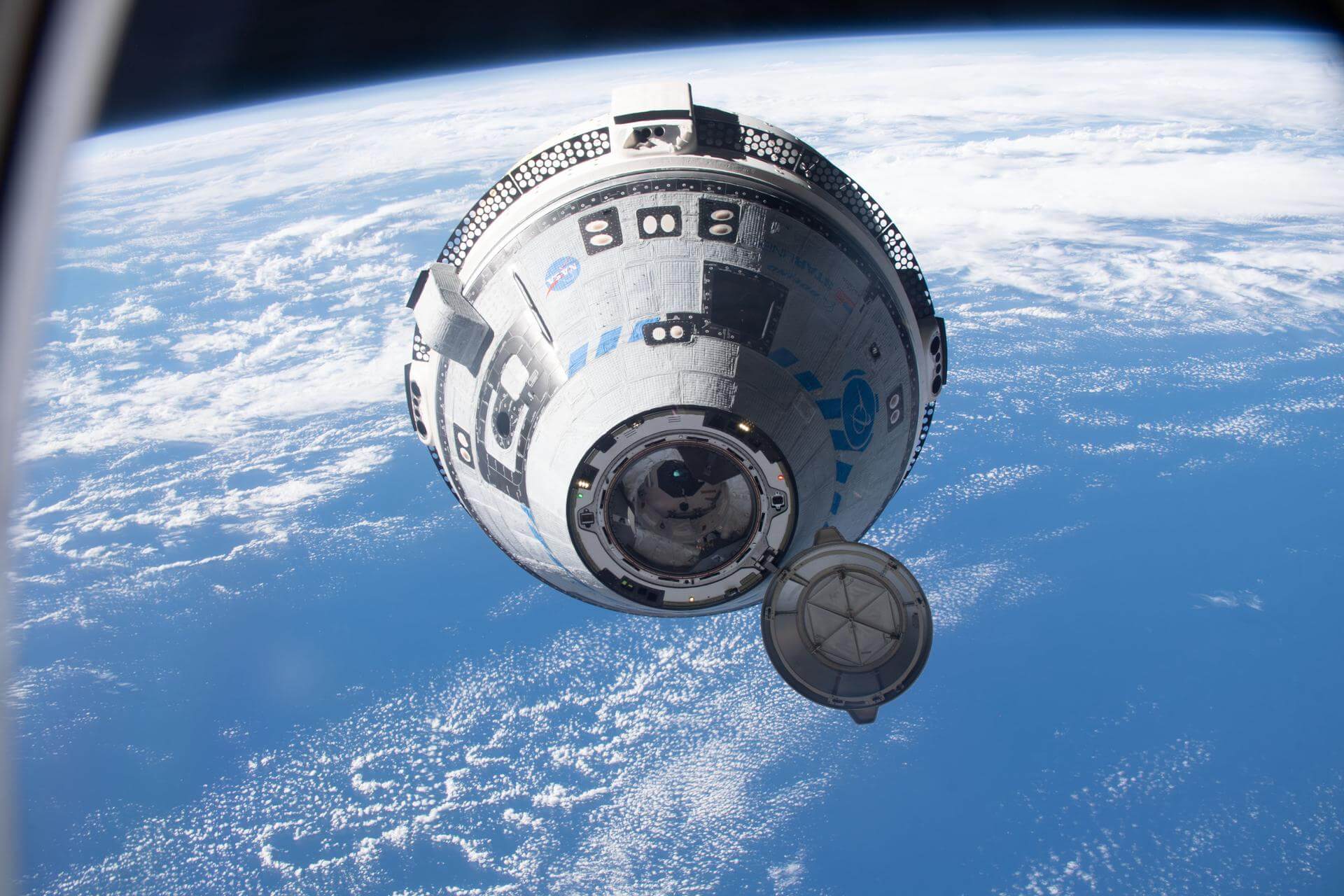
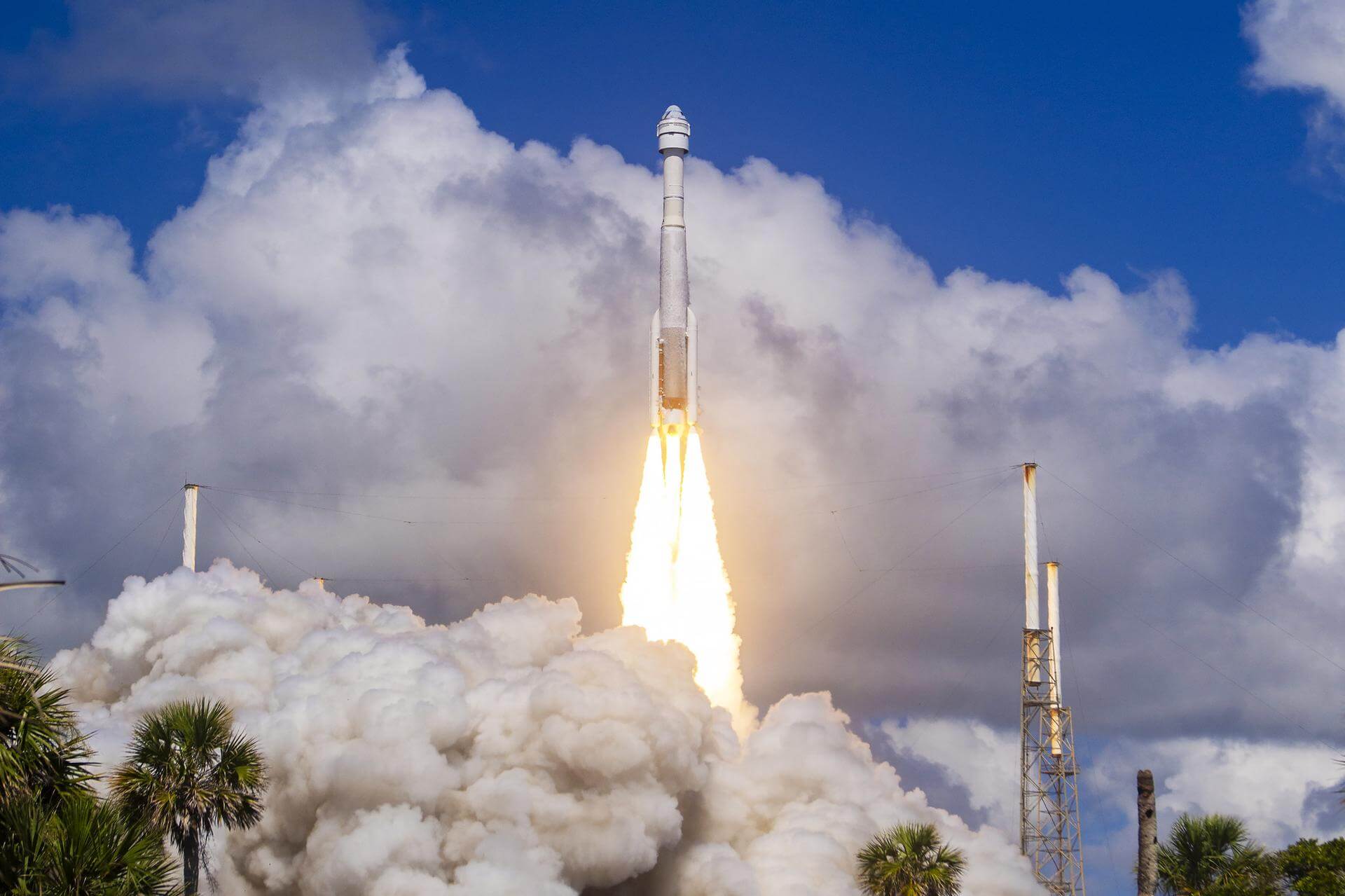
NASA and Boeing will host a media teleconference at 2 p.m. EDT Monday, Aug. 7, to provide an update on the first astronaut flight of the company’s CST-100 Starliner to and from the International Space Station.
Leaders will discuss spacecraft and team readiness ahead of NASA’s Boeing Crew Flight Test – the final flight test prior to regular crewed missions to the space station on the next-generation system.
The briefing participants are:
- Steve Stich, manager, NASA’s Commercial Crew Program
- Joel Montalbano, manager, NASA’s International Space Station Program
- Mark Nappi, vice president and program manager, CST-100 Starliner, Boeing
Updates

LL2 • Aug. 7, 2023, 5:58 p.m.
Livestream has started

hitura-nobad • Aug. 1, 2023, 4:54 a.m.
Added Event
Related Information
Atlas V N22 | CST-100 Starliner Crewed Flight Test
United Launch Alliance | United States of AmericaCape Canaveral SFS, FL, USA
June 5, 2024, 2:52 p.m.
Long March 8A
SpaceSail Polar Group #14
Commercial LC-1 - Wenchang Space Launch Site, People's Republic of China20 Low Earth Orbit communication satellites with Ku, Q and V band payloads for the G60 constellation operated by Shanghai Spacesail Technologies with…
Falcon 9
Starlink Group 10-50
Space Launch Complex 40 - Cape Canaveral SFS, FL, USAA batch of 29 satellites for the Starlink mega-constellation - SpaceX's project for space-based Internet communication system. The Falcon 9 1st st…
Long March 6A
SpaceSail Polar Group #13
Launch Complex 9A - Taiyuan Satellite Launch Center, People's Republic of China18 Low Earth Orbit communication satellites with Ku, Q and V band payloads for the G60 constellation operated by Shanghai Spacesail Technologies with…
Pegasus XL
Swift Boost Mission
Kwajalein Atoll - Air launch to orbitContracted by NASA under the Small Business Innovation Research Phase 3 contract, Katalyst Space Technologies' LINK servicing spacecraft will rendezv…
Atlas V 551
Amazon Leo (LA-08)
Space Launch Complex 41 - Cape Canaveral SFS, FL, USAAmazon Leo, formerly known as Project Kuiper, is a mega constellation of satellites in Low Earth Orbit that will offer broadband internet access, thi…
Falcon 9
Starlink Group 17-46
Space Launch Complex 4E - Vandenberg SFB, CA, USAA batch of 24 satellites for the Starlink mega-constellation - SpaceX's project for space-based Internet communication system.
Long March 4B
Haiyang 2E
Launch Area 94 (SLS-2 / 603) - Jiuquan Satellite Launch Center, People's Republic of ChinaHaiyang 2E (Chinese: "Ocean"), abbreviated HY-2E, is a marine remote sensing satellite of China. The HY-2 series' primary objective is to measure oce…
Falcon 9
Sirius SXM-11
Space Launch Complex 40 - Cape Canaveral SFS, FL, USASXM-11 is the 12th high-powered, digital, audio radio satellite built by Lanteris Space (ex-Maxar, Space System/Loral) for SiriusXM. The SXM-11 satel…
Falcon 9
Starlink Group 17-40
Space Launch Complex 4E - Vandenberg SFB, CA, USAA batch of 24 satellites for the Starlink mega-constellation - SpaceX's project for space-based Internet communication system.
Electron
Ten Owl Of Ten (StriX Launch 10)
Rocket Lab Launch Complex 1B - Rocket Lab Launch Complex 1, Mahia Peninsula, New ZealandSynthetic aperture radar satellite for Japanese Earth imaging company Synspective.

