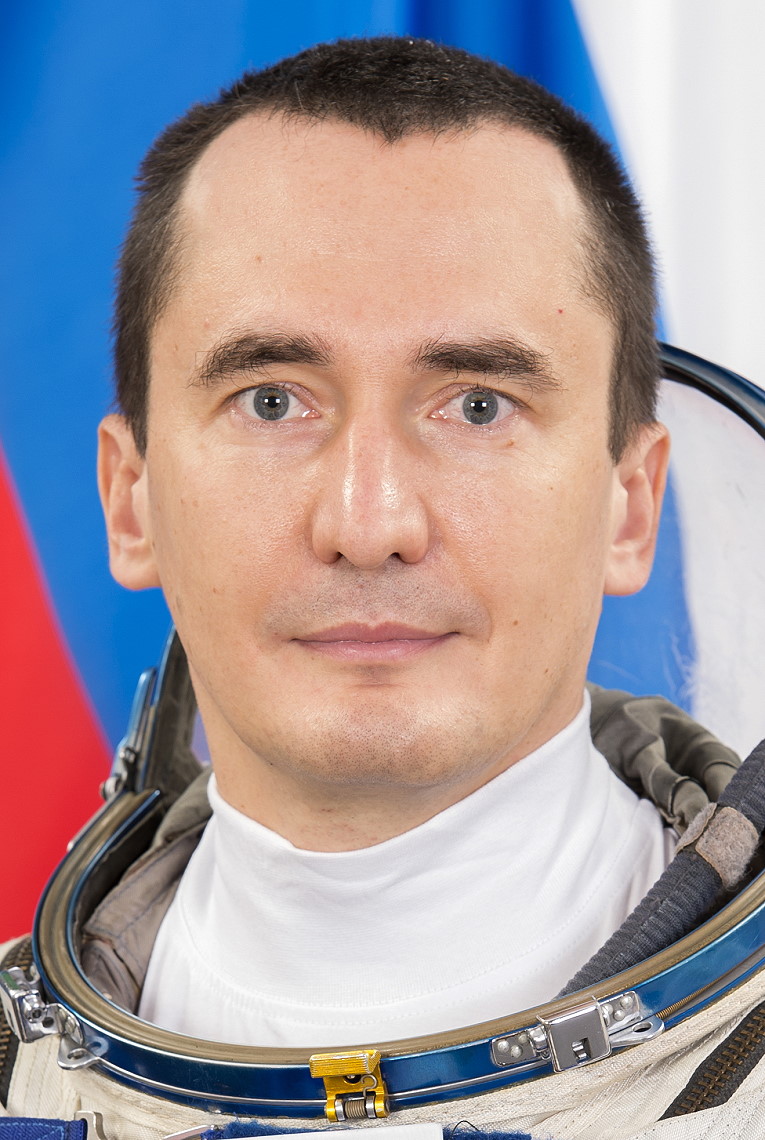
Pyotr Dubrov
Russian - (RFSA)
Active
Date of Birth: Jan. 30, 1978
Age: 48
Dubrov was selected by Roscosmos as a cosmonaut on 8 October 2012, as one of eight cosmonauts selected as part of Roscosmos's 2012 selection group. In 2020 he was assigned to the backup crew of Soyuz MS-17, backing up Russian cosmonaut Sergey Kud-Sverchkov as Flight Engineer on ISS Expedition 63/64
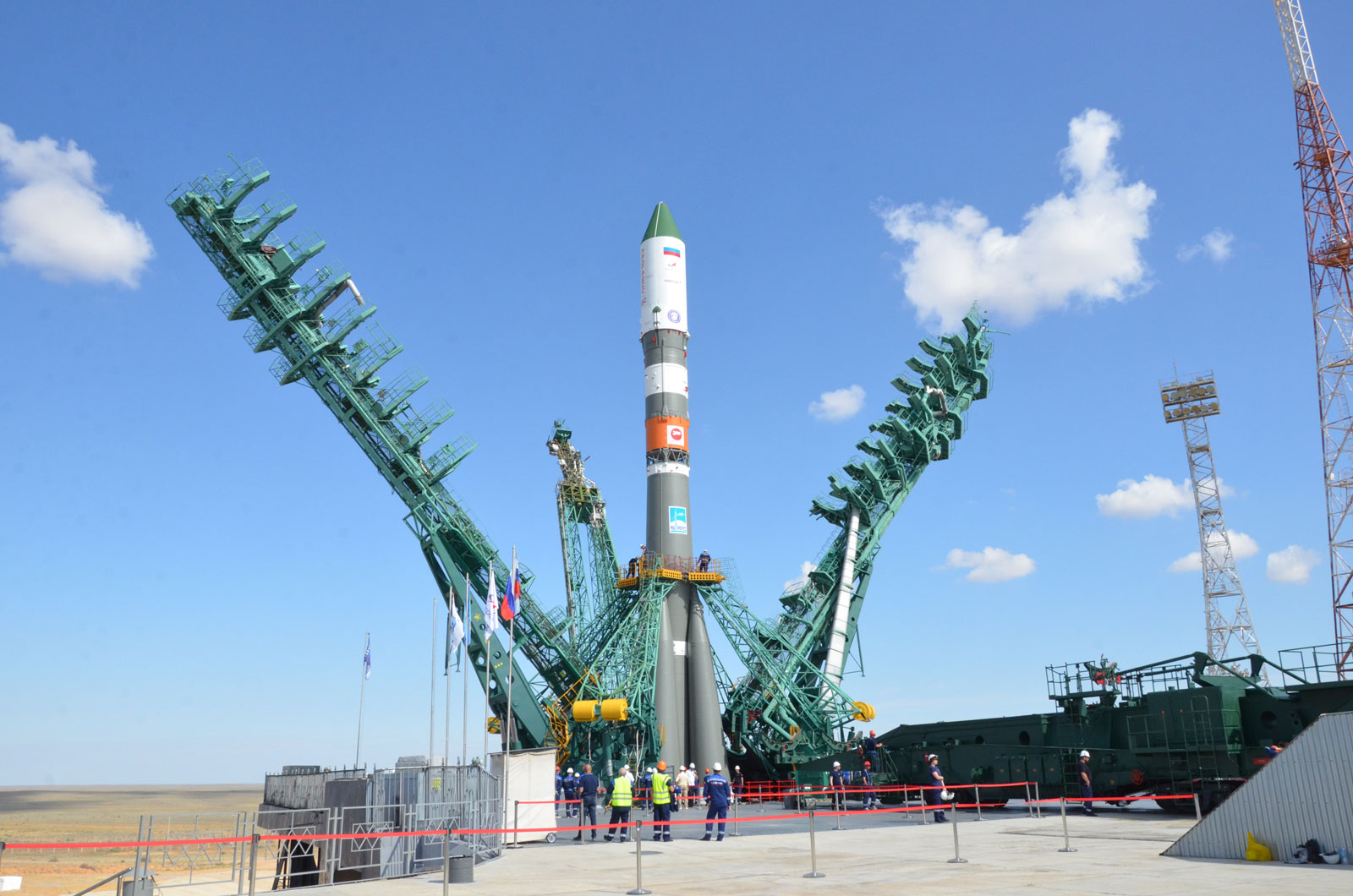
Soyuz 2.1a | Soyuz MS-18
Progress Rocket Space Center | RussiaBaikonur Cosmodrome, Republic of Kazakhstan
April 9, 2021, 7:42 a.m.
Status: Success
Mission:
Soyuz MS-18 begins expedition 65 by carrying Roscosmos cosmonauts Oleg Novitsky, Pyotr Dubrov and NASA astronaut Mark Vande Hei to the International Space Station aboard the Soyuz spacecraft from the Baikonur Cosmodrome in Kazakhstan. After launching from the Baikonur Cosmodrome in Kazakhstan, they will rendezvous to the station where they will remain for their 6 month stay.
Low Earth OrbitSoyuz 2.1a | Soyuz MS-19
Progress Rocket Space Center | RussiaBaikonur Cosmodrome, Republic of Kazakhstan
Oct. 5, 2021, 8:55 a.m.
Status: Success
Mission:
Soyuz mission launching from the Baikonur Cosmodrome in Kazakhstan and carrying Roscosmos cosmonaut Anton Shkaplerov as well as the Challenge movie crew (Russian film producer Klim Shipenko and actress Yulia Peresild) to the International Space Station.
Low Earth OrbitSoyuz 2.1a | Soyuz MS-29
Progress Rocket Space Center | RussiaBaikonur Cosmodrome, Republic of Kazakhstan
July 14, 2026, 2:47 p.m.
Status: Success
Mission:
Soyuz MS-29 will carry two cosmonauts and one astronaut to the International Space Station aboard the Soyuz spacecraft from the Baikonur Cosmodrome in Kazakhstan. The crew consists of Roscosmos cosmonauts Pyotr Dubrov and Anna Kikina, as well as NASA astronaut Anil Menon.
Low Earth OrbitThe Roscosmos State Corporation for Space Activities, commonly known as Roscosmos, is the governmental body responsible for the space science program of the Russian Federation and general aerospace research. Soyuz has many launch locations the Russian sites are Baikonur, Plesetsk and Vostochny however Ariane also purchases the vehicle and launches it from French Guiana.
Falcon 9
Starlink Group 17-38
Space Launch Complex 4E - Vandenberg SFB, CA, USAA batch of 24 satellites for the Starlink mega-constellation - SpaceX's project for space-based Internet communication system.
Electron
The Grain Goddess Provides (iQPS Launch 7)
Rocket Lab Launch Complex 1A - Rocket Lab Launch Complex 1, Mahia Peninsula, New ZealandSynthetic aperture radar Earth observation satellite for Japanese Earth imaging company iQPS.
Falcon 9
BlueBird 11-13 (Block 2 #6-8)
Space Launch Complex 40 - Cape Canaveral SFS, FL, USAAST SpaceMobile’s Block 2 BlueBird satellites are designed to deliver up to 10 times the bandwidth capacity of the BlueBird Block 1 satellites, requi…
Smart Dragon 3
OSE HS-01 & 02
Haiyang offshore launch location - Haiyang Oriental Spaceport2 hyper-spectral Earth observation satellites from Chinese company STAR.VISION. Both satellites are built in corporation with foreign customers: *…
Falcon 9
Starlink Group 17-53
Space Launch Complex 4E - Vandenberg SFB, CA, USAA batch of 24 satellites for the Starlink mega-constellation - SpaceX's project for space-based Internet communication system.

