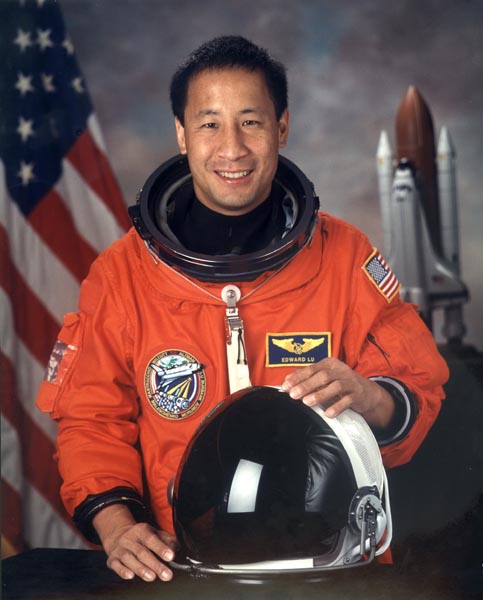
Ed Lu
American - (NASA)
Retired
Date of Birth: July 1, 1963
Age: 63
Edward Tsang "Ed" Lu (simplified Chinese: 卢杰; traditional Chinese: 盧傑; pinyin: Lú Jié) is an American physicist and former NASA astronaut. He flew on two Space Shuttle flights, and made an extended stay aboard the International Space Station. In 2007, Lu retired from NASA to become the program manager of Google's Advanced Projects Team. In 2002, while still at NASA, Lu co-founded the B612 Foundation, dedicated to protecting the Earth from asteroid strikes, later serving as its chairman. As of 2014, he is currently its chief executive officer (CEO).
Space Shuttle Columbia / OV-102 | STS-84
National Aeronautics and Space Administration | United States of AmericaKennedy Space Center, FL, USA
May 15, 1997, 8:07 a.m.
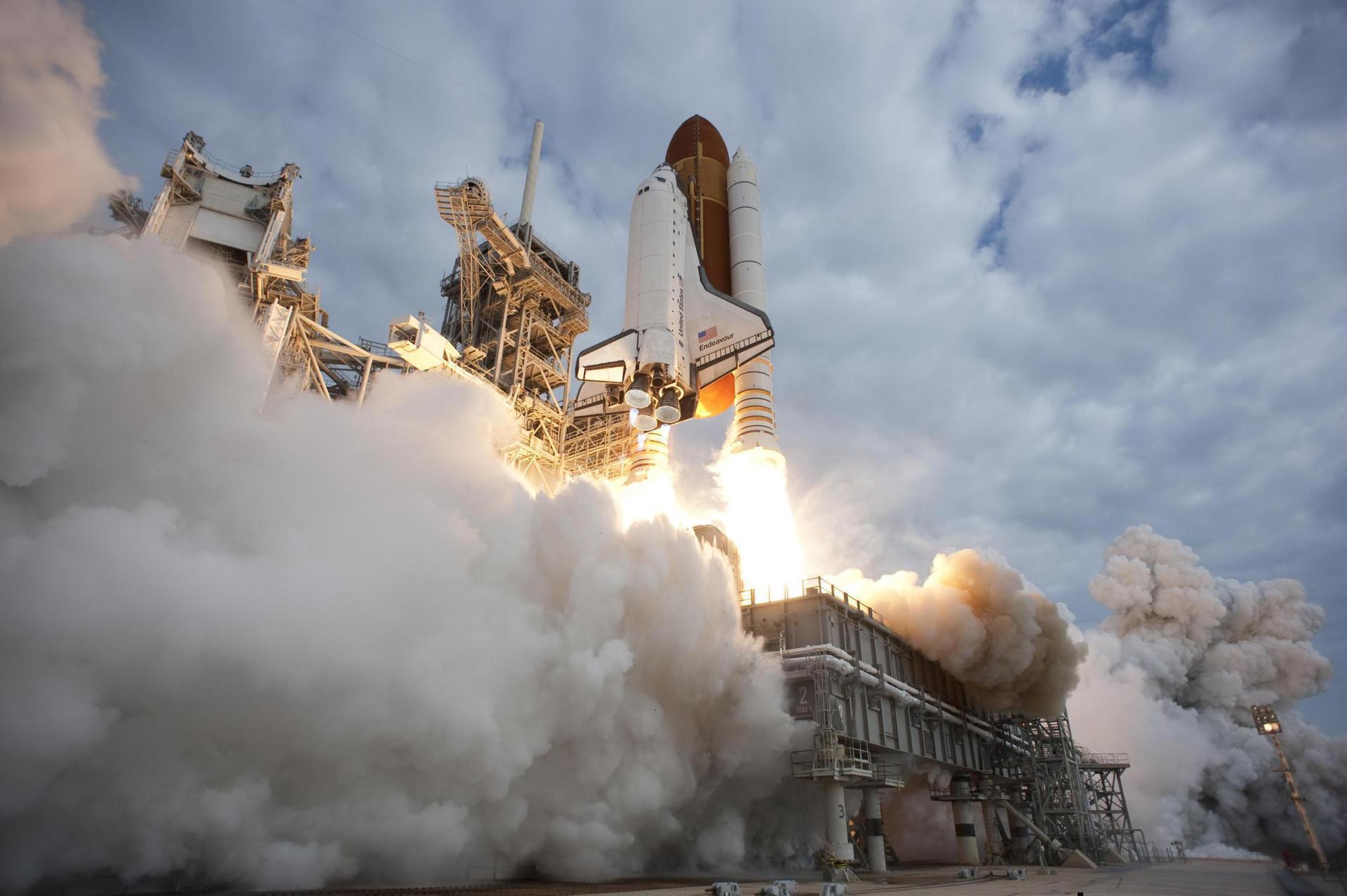
Space Shuttle Atlantis / OV-104 | STS-106
National Aeronautics and Space Administration | United States of AmericaKennedy Space Center, FL, USA
Sept. 8, 2000, 12:45 p.m.
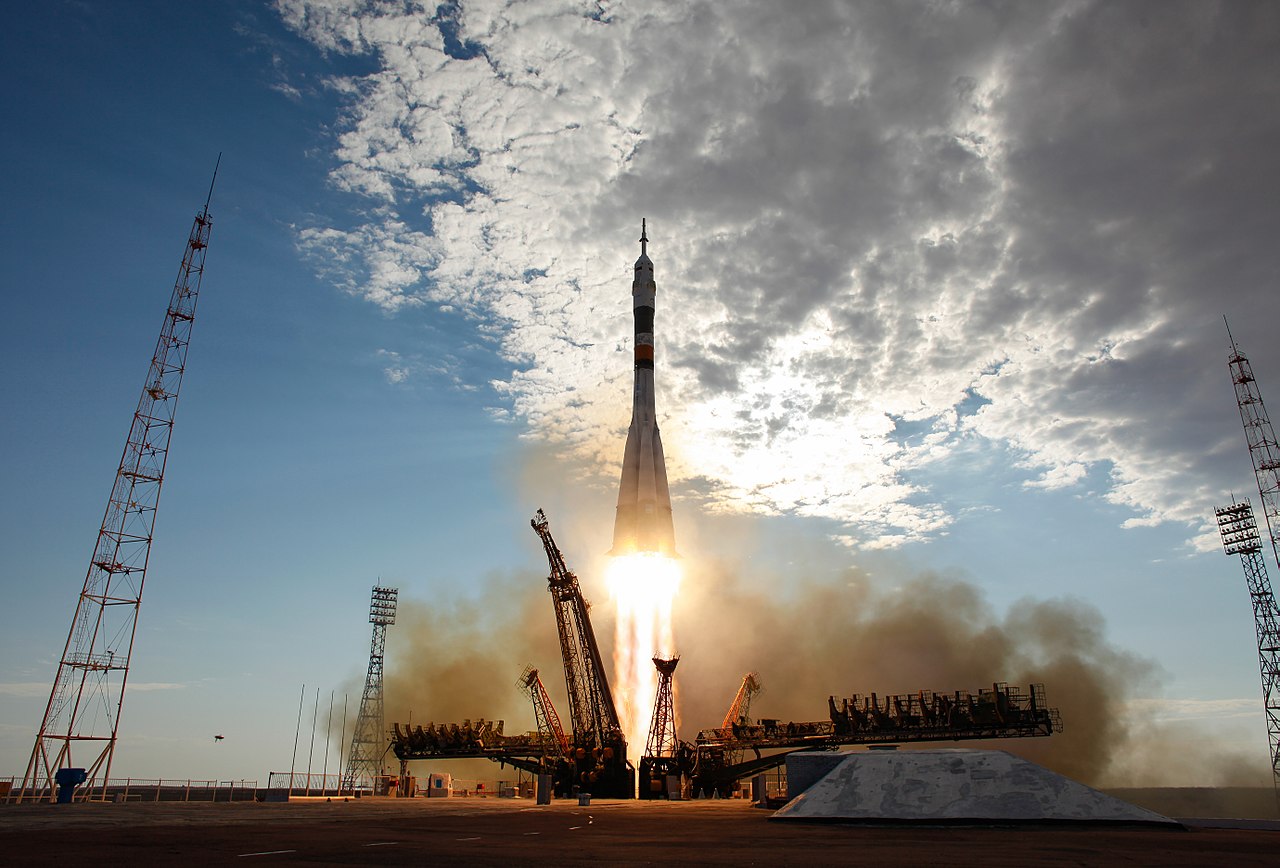
Soyuz-FG | Soyuz TMA-2
Progress Rocket Space Center | RussiaBaikonur Cosmodrome, Republic of Kazakhstan
April 26, 2003, 3:53 a.m.
Status: Success
Mission:
Soyuz TMA-2 begins Expedition 7 by carrying 2 astronauts and cosmonauts to the International Space Station. Russian Commander, cosmonaut Yuri Malenchenko alongside Flight Engineer, Edward Tsang Lu (NASA) will launch aboard the Soyuz spacecraft from the Baikonur Cosmodrome in Kazakhstan and then rendezvous with the station. It landed on October 28, 2003, 02:40:20 UTC
Low Earth OrbitThe National Aeronautics and Space Administration is an independent agency of the executive branch of the United States federal government responsible for the civilian space program, as well as aeronautics and aerospace research. NASA have many launch facilities but most are inactive. The most commonly used pad will be LC-39B at Kennedy Space Center in Florida.
Electron
The Grain Goddess Provides (iQPS Launch 7)
Rocket Lab Launch Complex 1A - Rocket Lab Launch Complex 1, Mahia Peninsula, New ZealandSynthetic aperture radar Earth observation satellite for Japanese Earth imaging company iQPS.
Falcon 9
BlueBird 11-13 (Block 2 #6-8)
Space Launch Complex 40 - Cape Canaveral SFS, FL, USAAST SpaceMobile’s Block 2 BlueBird satellites are designed to deliver up to 10 times the bandwidth capacity of the BlueBird Block 1 satellites, requi…
Smart Dragon 3
OSE HS-01 & 02
Haiyang offshore launch location - Haiyang Oriental Spaceport2 hyper-spectral Earth observation satellites from Chinese company STAR.VISION. Both satellites are built in corporation with foreign customers: *…
Falcon 9
Starlink Group 17-53
Space Launch Complex 4E - Vandenberg SFB, CA, USAA batch of 24 satellites for the Starlink mega-constellation - SpaceX's project for space-based Internet communication system.
Long March 8A
SatNet LEO Group 23
Commercial LC-1 - Wenchang Space Launch Site, People's Republic of ChinaA batch of 9 Low Earth Orbit communication satellites for the Chinese state owned SatNet constellation operated by the China Satellite Network Group.…

