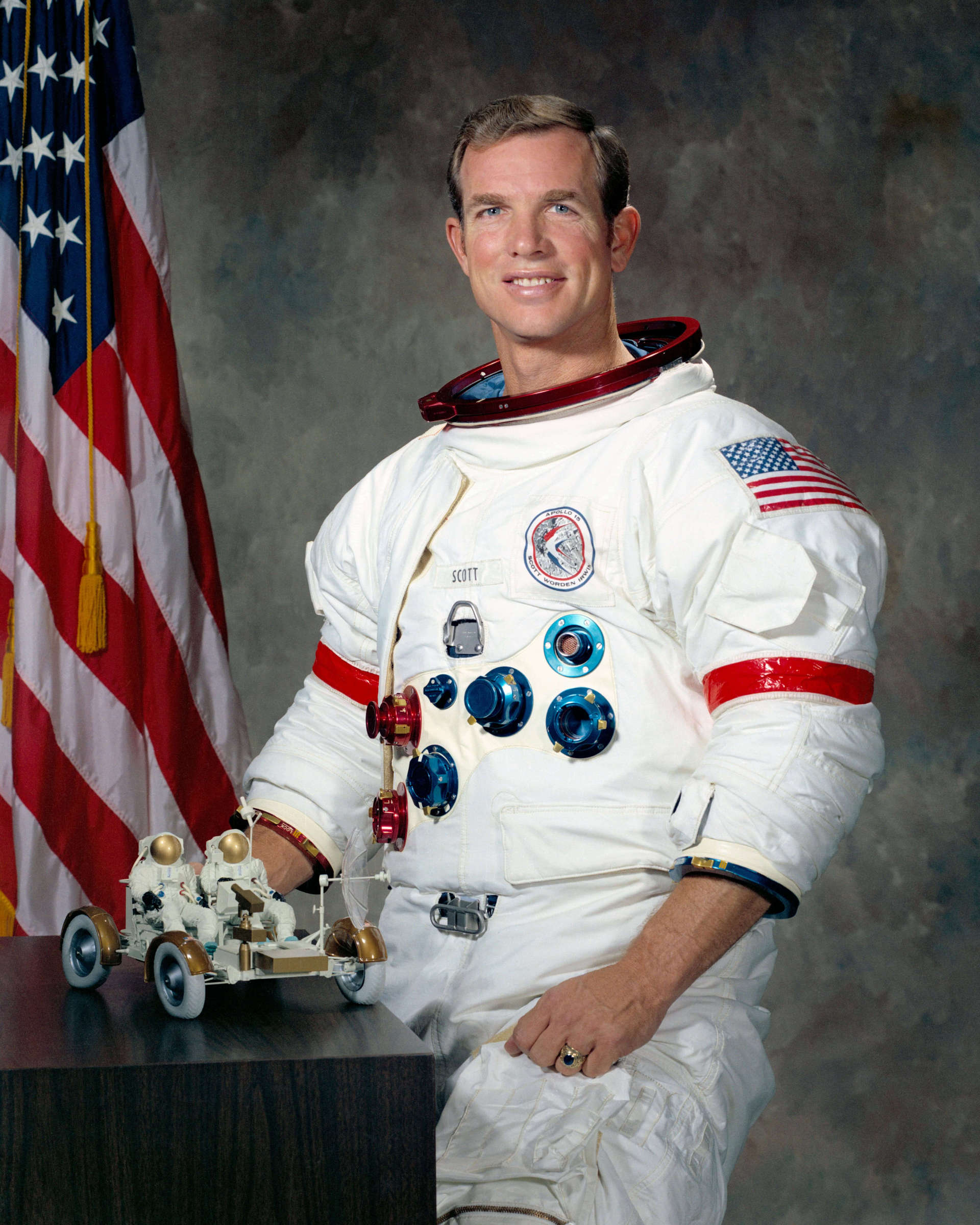
David Scott
American - (NASA)
Retired
Date of Birth: June 6, 1932
Age: 94
David Randolph Scott is an American engineer, former NASA astronaut, retired U.S. Air Force officer and former test pilot. He belonged to the third group of NASA astronauts, selected in October 1963. As an astronaut, Scott became the seventh person to walk on the Moon. Following the death of John Young in January 2018, Scott became the last living commander of a successful Apollo lunar landing mission and, as such, the only person currently alive who has flown a spacecraft to a landing on the Moon.
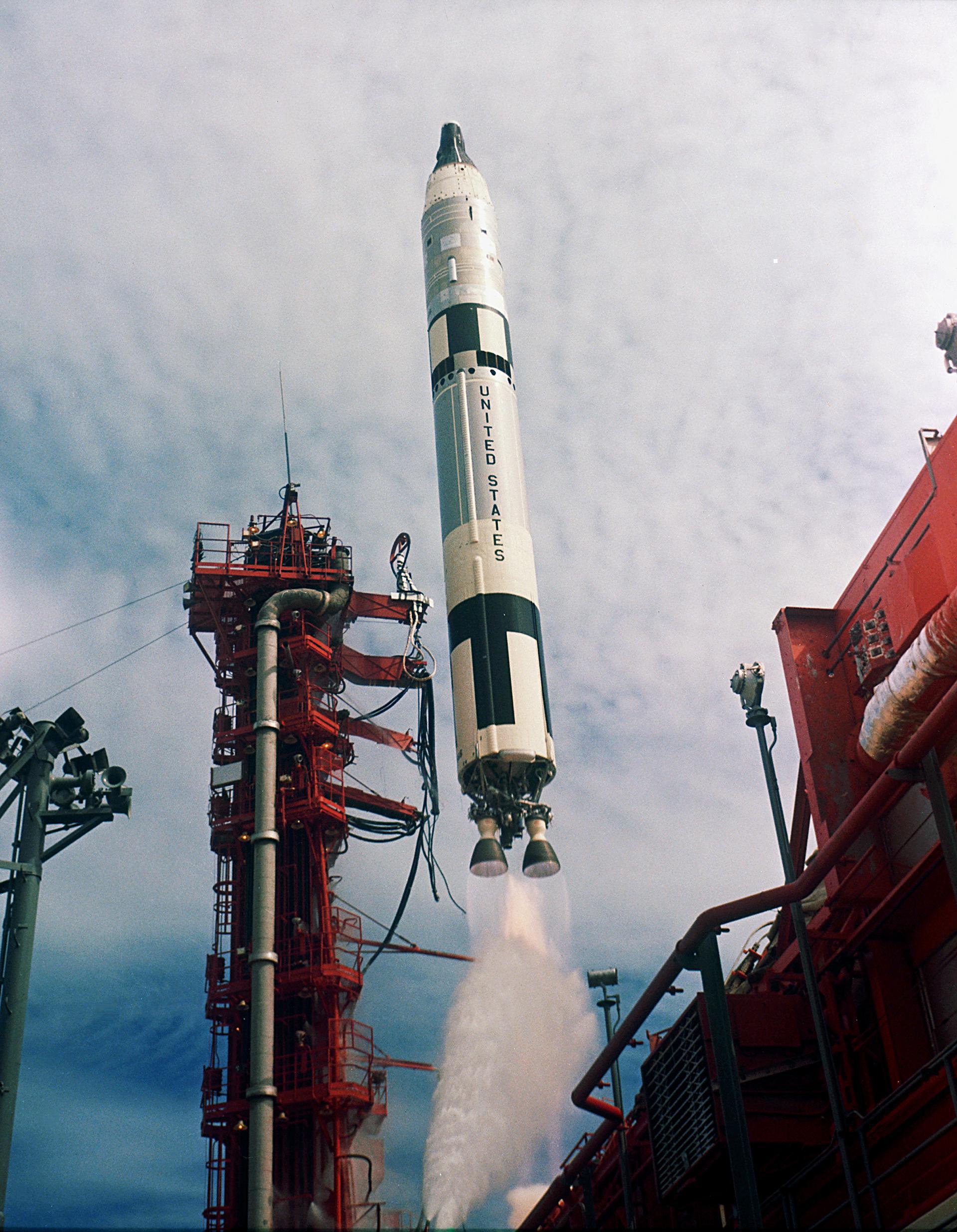
Titan II GLV | Gemini VIII
National Aeronautics and Space Administration | United States of AmericaCape Canaveral SFS, FL, USA
March 16, 1966, 4:41 p.m.
Status: Success
Mission:
Gemini 8 was the sixth crewed mission of the NASA's Project Gemini. The mission was commanded by Command Pilot Neil A. Armstrong and Pilot David R. Scott. Gemini 8 conducted the first docking of two spacecraft in orbit, but suffered the first critical in-space system failure of a U.S. spacecraft which threatened the lives of the astronauts and required immediate abort of the mission. The mission began on March 16, 1966, 16:41:02 UTC and ended on March 17, 1966, 03:22:28 UTC.
Low Earth Orbit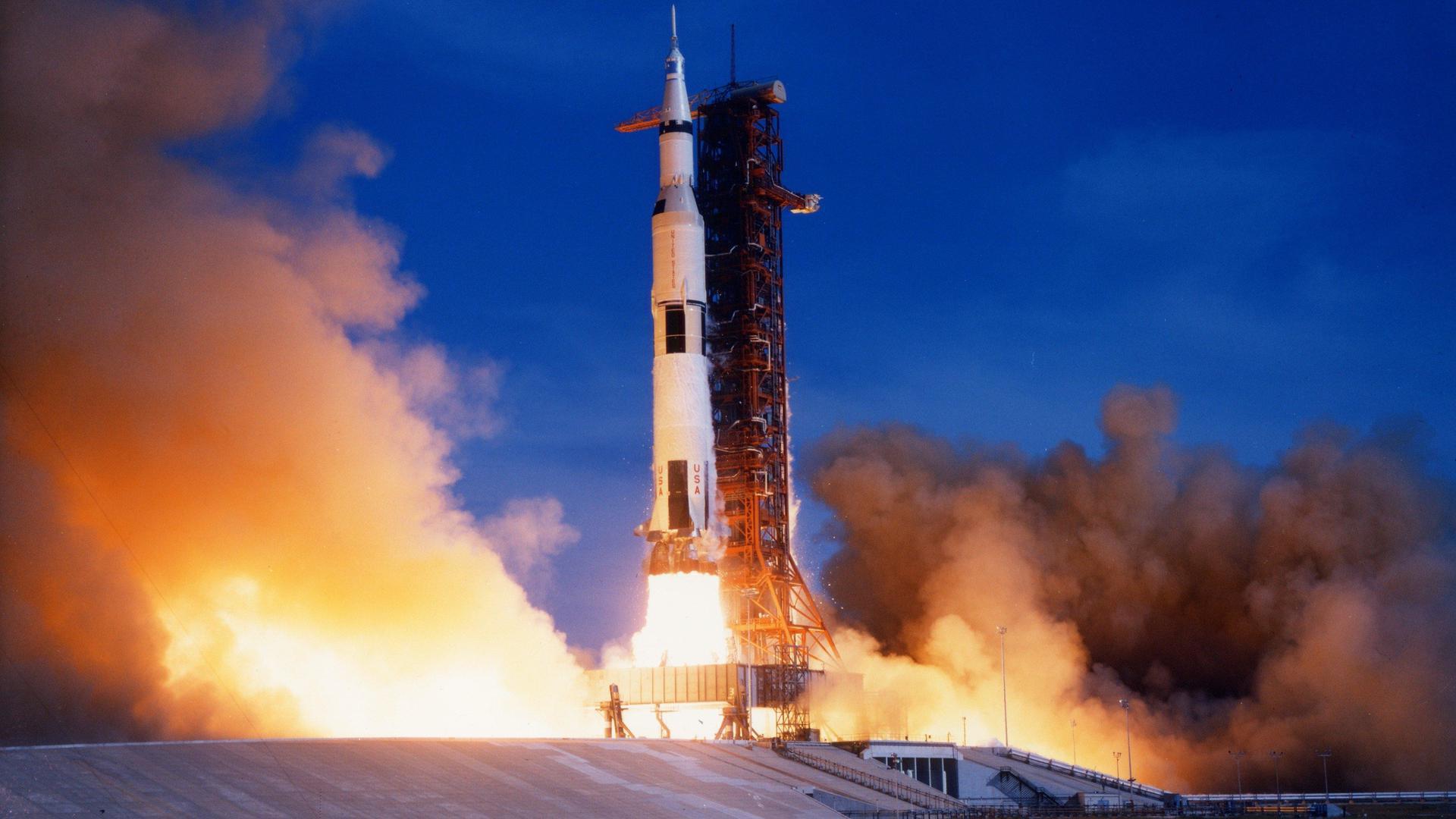
Saturn V | Apollo 9
National Aeronautics and Space Administration | United States of AmericaKennedy Space Center, FL, USA
March 3, 1969, 4 p.m.
Saturn V | Apollo 15
National Aeronautics and Space Administration | United States of AmericaKennedy Space Center, FL, USA
July 26, 1971, 1:34 p.m.
Status: Success
Mission:
Apollo 15 was the 9th manned mission in the Apollo program and 4th to land on the moon. It was a successful mission although controversial as the astronauts carried unauthorized postage stamps which they planned to sell. Commander David Scott, Lunar Module Pilot James Irwin and Command Module Pilot Alfred Worden were on board. The Mission lasted 12 days 7 hours, which included 1 cislunar EVA and 4 lunar surface EVA's. This was also the first mission the lunar rover was used.
Lunar Orbit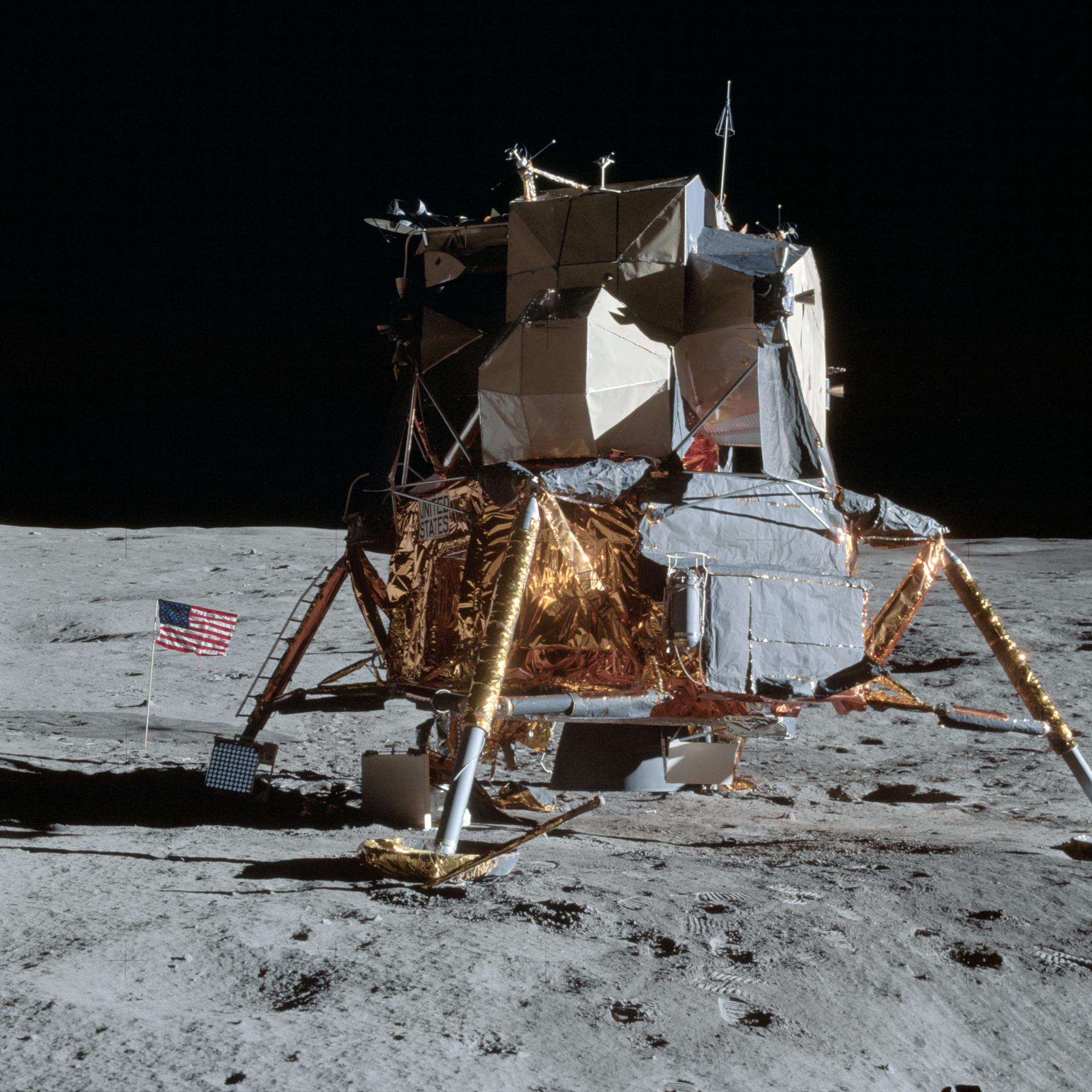
The National Aeronautics and Space Administration is an independent agency of the executive branch of the United States federal government responsible for the civilian space program, as well as aeronautics and aerospace research. NASA have many launch facilities but most are inactive. The most commonly used pad will be LC-39B at Kennedy Space Center in Florida.
Falcon 9
Starlink Group 10-19
Space Launch Complex 40 - Cape Canaveral SFS, FL, USAA batch of 29 satellites for the Starlink mega-constellation - SpaceX's project for space-based Internet communication system.
H3-22
Michibiki 7 (QZS-7)
Yoshinobu Launch Complex LP-2 - Tanegashima Space Center, JapanQZSS (Quasi Zenith Satellite System) is a Japanese satellite navigation system operating from inclined, elliptical geosynchronous orbits to achieve o…
Long March 7A
ChinaSat 4B
201 - Wenchang Space Launch Site, People's Republic of ChinaChinese communication geostationary satellite for unknown purposes.
Falcon 9
Starlink Group 17-38
Space Launch Complex 4E - Vandenberg SFB, CA, USAA batch of 24 satellites for the Starlink mega-constellation - SpaceX's project for space-based Internet communication system.
Electron
The Grain Goddess Provides (iQPS Launch 7)
Rocket Lab Launch Complex 1A - Rocket Lab Launch Complex 1, Mahia Peninsula, New ZealandSynthetic aperture radar Earth observation satellite for Japanese Earth imaging company iQPS.

