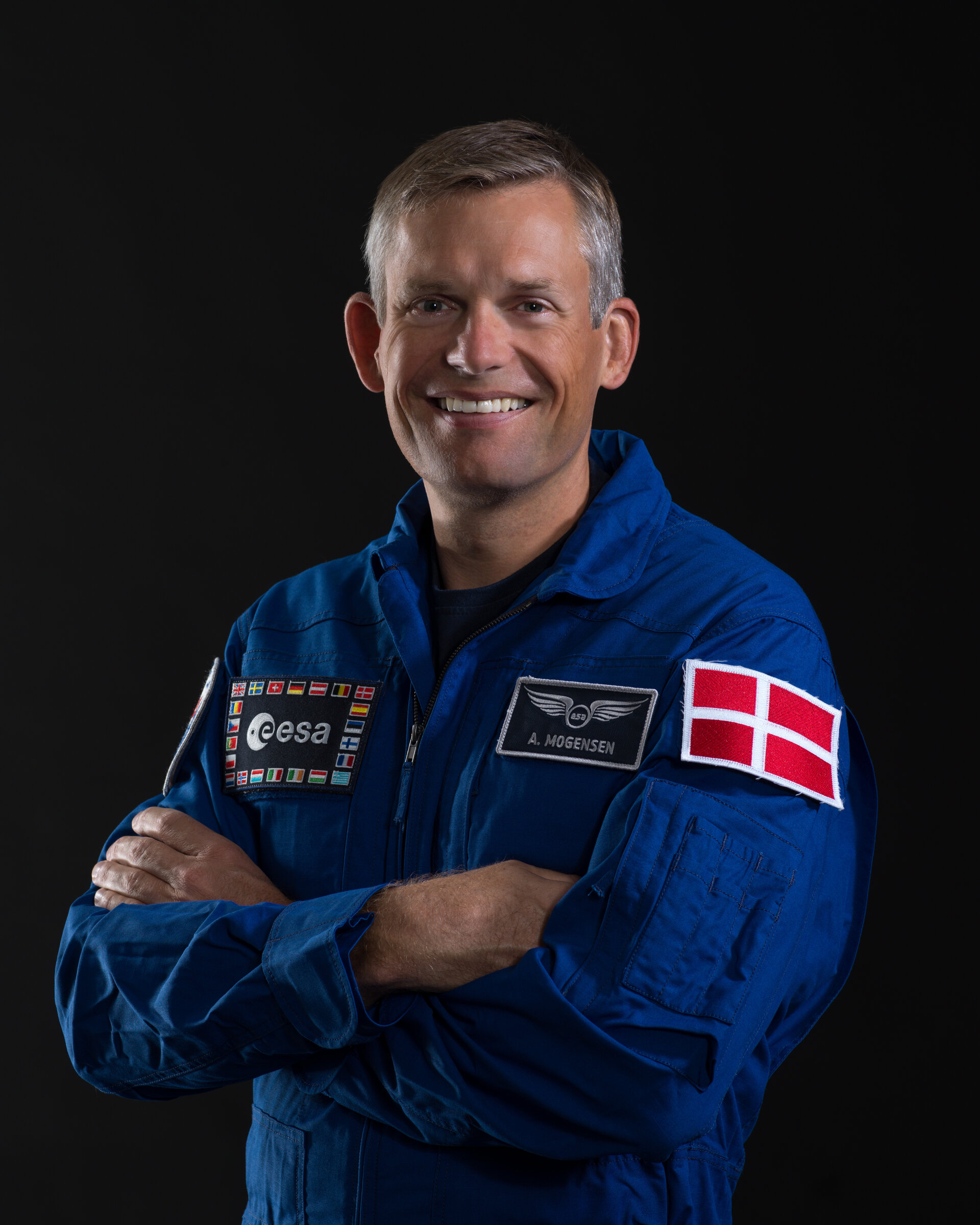
Andreas Mogensen
Danish - (ESA)
Active
Date of Birth: Nov. 2, 1976
Age: 49
Andreas Enevold Mogensen (born November 2, 1976) is a Danish engineer and astronaut. He was the first Dane to fly in space as part of the iriss programme On September 2, 2015, Mogensen was launched with Soyuz TMA-18M to ISS, and landed with Soyuz TMA-16M ten days later. He was travelling with another visiting flight engineer, Aidyn Aimbetov. Among the items Andreas brought along were LEGO figures and a poster for Copenhagen Suborbitals.
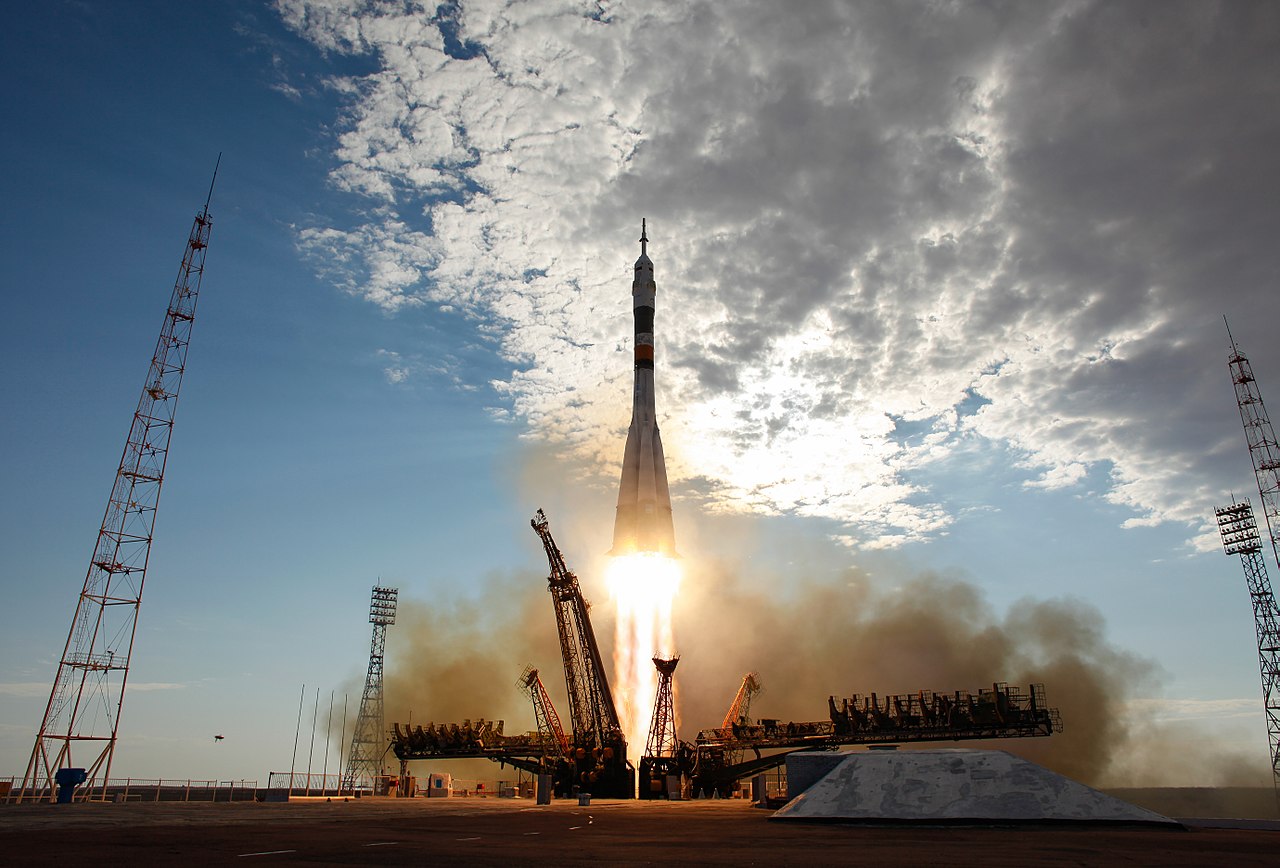
Soyuz FG | Soyuz TMA-16M
Progress Rocket Space Center | RussiaBaikonur Cosmodrome, Republic of Kazakhstan
March 27, 2015, 7:42 p.m.
Status: Success
Mission:
Soyuz TMA-16M begins expedition 43 by carrying 3 astronauts and cosmonauts to the International Space Station. Russian Commander, cosmonaut Gennady Padalka alongside Flight Engineers, Scott Kelly & Mikhail Korniyenko will launch aboard the Soyuz spacecraft from the Baikonur Cosmodrome in Kazakhstan and then rendezvous with the station. It landed on 12 September 2015 00:51 UTC
Low Earth OrbitSoyuz FG | Soyuz TMA-18M
Progress Rocket Space Center | RussiaBaikonur Cosmodrome, Republic of Kazakhstan
Sept. 2, 2015, 4:37 a.m.
Status: Success
Mission:
Soyuz TMA-18M begins expedition 45 by carrying 3 astronauts/cosmonauts to the International Space Station. Russian Commander, cosmonaut Sergey Volkov alongside Flight Engineers, ESA astronaut Andreas Mogensen and the first Kazakh cosmonaut, Aydyn Aimbetov, will launch aboard the Soyuz spacecraft from the Baikonur Cosmodrome in Kazakhstan and then rendezvous with the station. It landed on 2 March 2016 04:25:27 UTC
Low Earth Orbit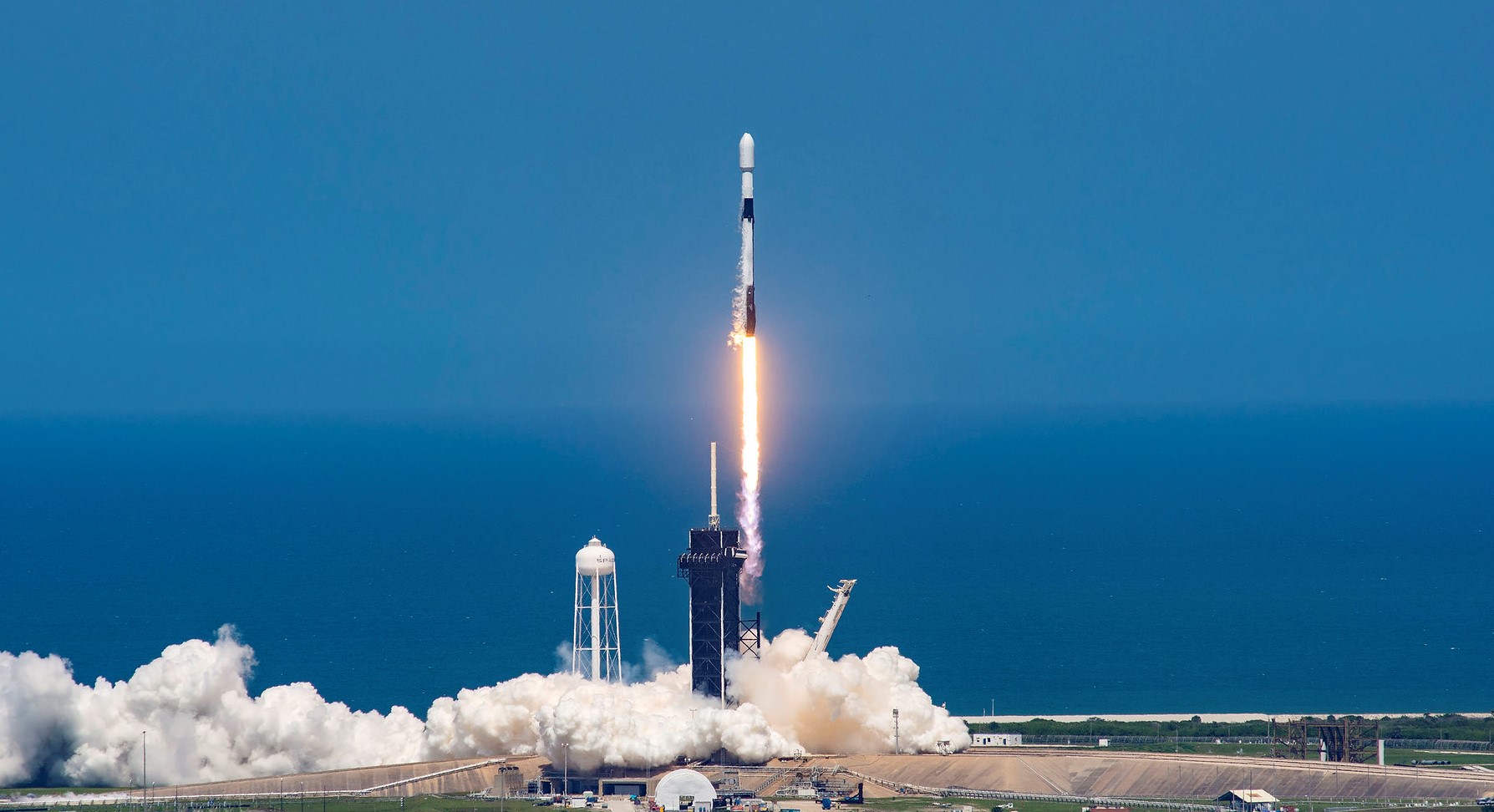
Falcon 9 Block 5 | Crew-7
SpaceX | United States of AmericaKennedy Space Center, FL, USA
Aug. 26, 2023, 7:27 a.m.
The European Space Agency is an intergovernmental organisation of 22 member states. Established in 1975 and headquartered in Paris, France, ESA has a worldwide staff of about 2,000 employees. ESA's space flight programme includes human spaceflight (mainly through participation in the International Space Station program); the launch and operation of unmanned exploration missions to other planets and the Moon; Earth observation, science and telecommunication; designing launch vehicles; and maintaining a major spaceport, the Guiana Space Centre at Kourou, French Guiana.
Falcon 9
BlueBird 11-13 (Block 2 #6-8)
Space Launch Complex 40 - Cape Canaveral SFS, FL, USAAST SpaceMobile’s Block 2 BlueBird satellites are designed to deliver up to 10 times the bandwidth capacity of the BlueBird Block 1 satellites, requi…
Smart Dragon 3
OSE HS-01 & 02
Haiyang offshore launch location - Haiyang Oriental Spaceport2 hyper-spectral Earth observation satellites from Chinese company STAR.VISION. Both satellites are built in corporation with foreign customers: *…
Falcon 9
Starlink Group 17-53
Space Launch Complex 4E - Vandenberg SFB, CA, USAA batch of 24 satellites for the Starlink mega-constellation - SpaceX's project for space-based Internet communication system.
Long March 8A
SatNet LEO Group 23
Commercial LC-1 - Wenchang Space Launch Site, People's Republic of ChinaA batch of 9 Low Earth Orbit communication satellites for the Chinese state owned SatNet constellation operated by the China Satellite Network Group.…
Falcon 9
Starlink Group 17-52
Space Launch Complex 4E - Vandenberg SFB, CA, USAA batch of 24 satellites for the Starlink mega-constellation - SpaceX's project for space-based Internet communication system.

