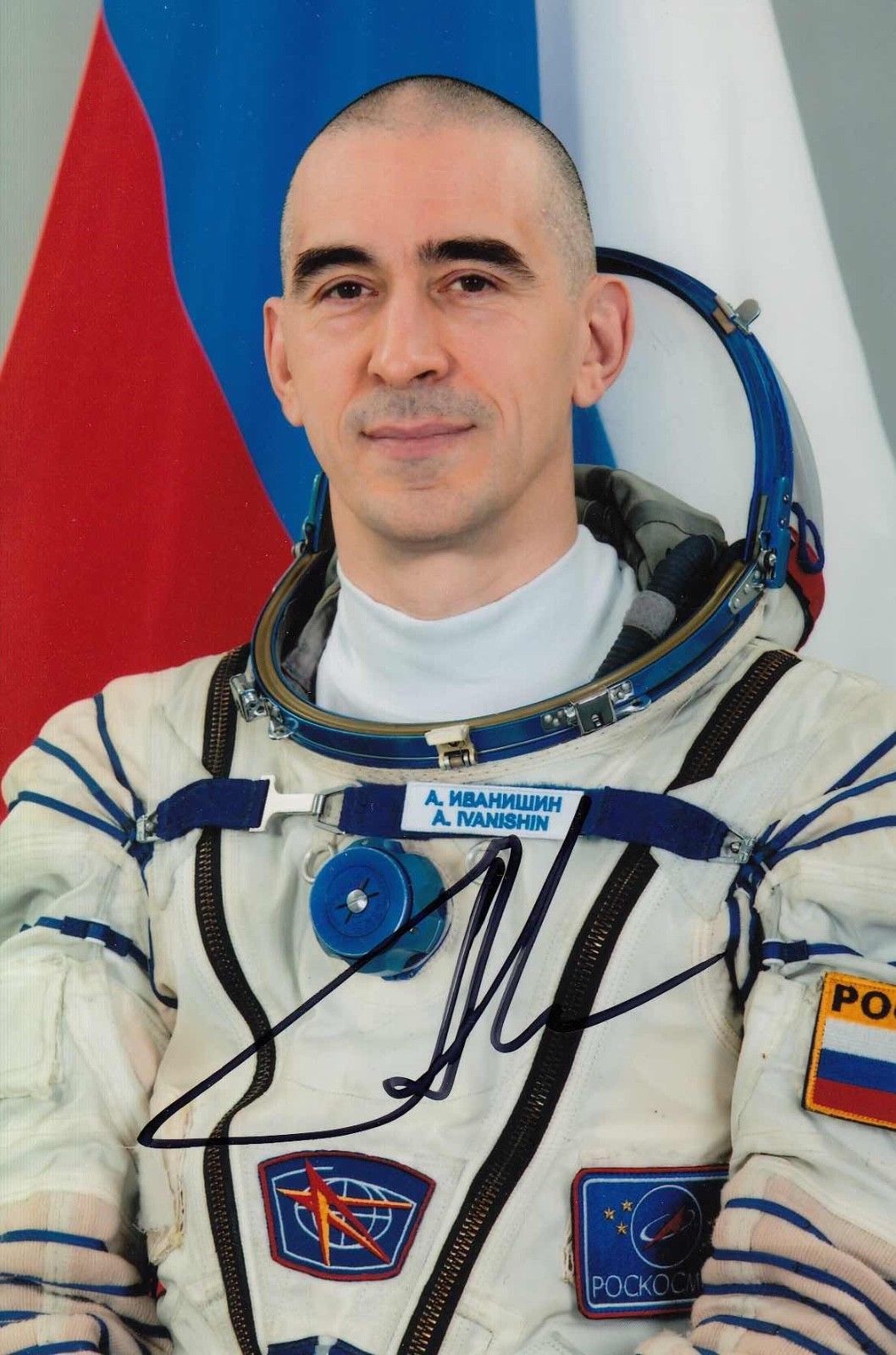
Anatoli Ivanishin
Russian - (RFSA)
Retired
Date of Birth: Jan. 15, 1969
Age: 57
Anatoli Alekseyevich Ivanishin (Russian: Анатолий Алексеевич Иванишин; born 15 January 1969 in Irkutsk) is a Russian cosmonaut. His first visit to space was to the International Space Station on board the Soyuz TMA-22 spacecraft as an Expedition 29 / Expedition 30 crew member, launching in November 2011 and returning in April 2012. Ivanishin was the Commander of the International Space Station for Expedition 49. His third and last spaceflight was as a flight engineer during Expedition 62 / Expedition 63 in 2020. Ivanishin retired in October 2021 to focus on science career.
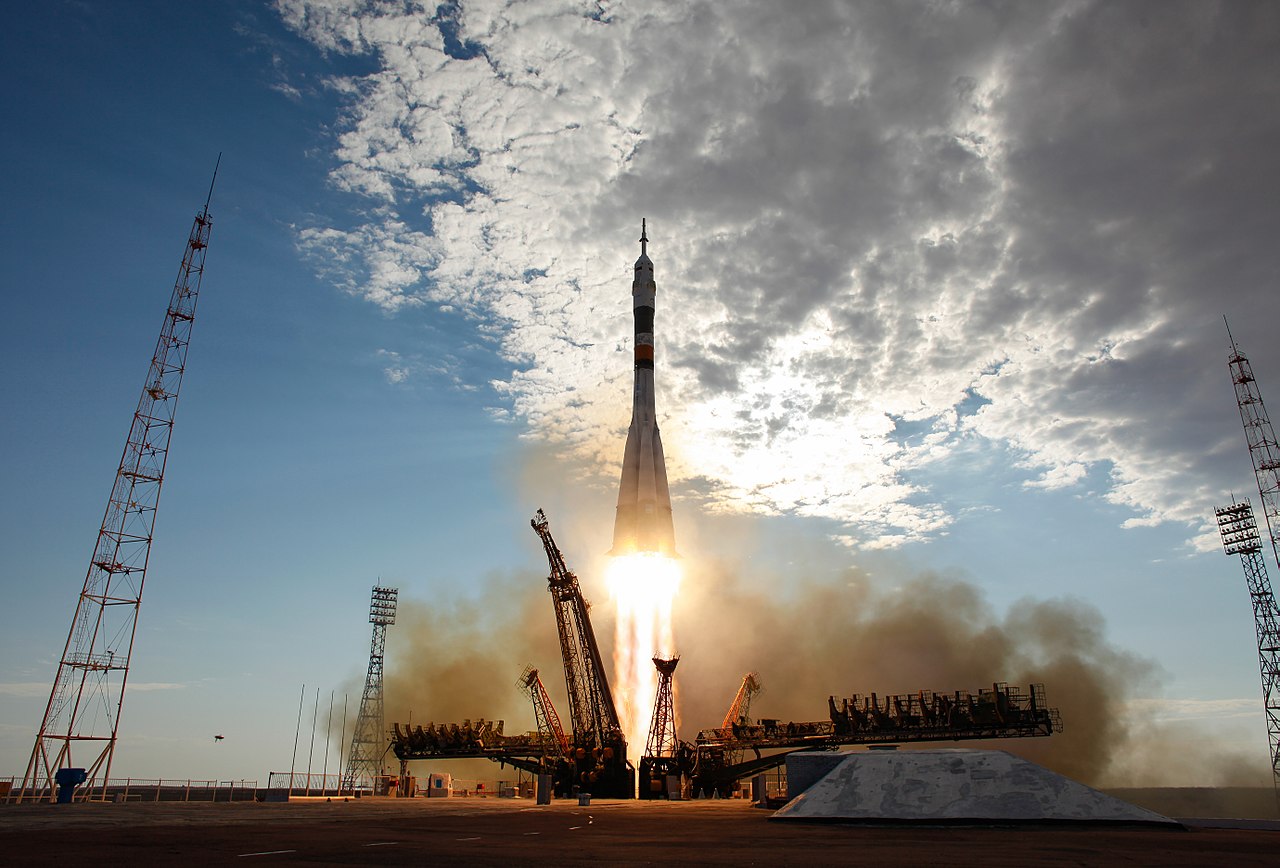
Soyuz-FG | Soyuz TMA-22
Progress Rocket Space Center | RussiaBaikonur Cosmodrome, Republic of Kazakhstan
Nov. 14, 2011, 4:14 a.m.
Status: Success
Mission:
Soyuz TMA-22 begins Expedition 29 by carrying 3 astronauts and cosmonauts to the International Space Station. Russian Commander, cosmonaut Anton Shkaplerov alongside Flight Engineers, Anatoli Ivanishin (RSA) & Daniel C. Burbank (NASA) will launch aboard the Soyuz spacecraft from the Baikonur Cosmodrome in Kazakhstan and then rendezvous with the station. It landed on 27 April 2012, 11:45 UTC
Low Earth OrbitSoyuz-FG | Soyuz MS (MS-01)
Progress Rocket Space Center | RussiaBaikonur Cosmodrome, Republic of Kazakhstan
July 7, 2016, 1:36 a.m.
Status: Success
Mission:
Soyuz MS-01 begins expedition 48 by carrying Roscosmos cosmonaut Anatoli Ivanishin, JAXA astronaut Takuya Onishi, and NASA astronaut Kate Rubins to the International Space Station. After launching aboard the Soyuz spacecraft from the Baikonur Cosmodrome in Kazakhstan, they will rendezvous to the station where they will remain for their 4 month stay.
Low Earth Orbit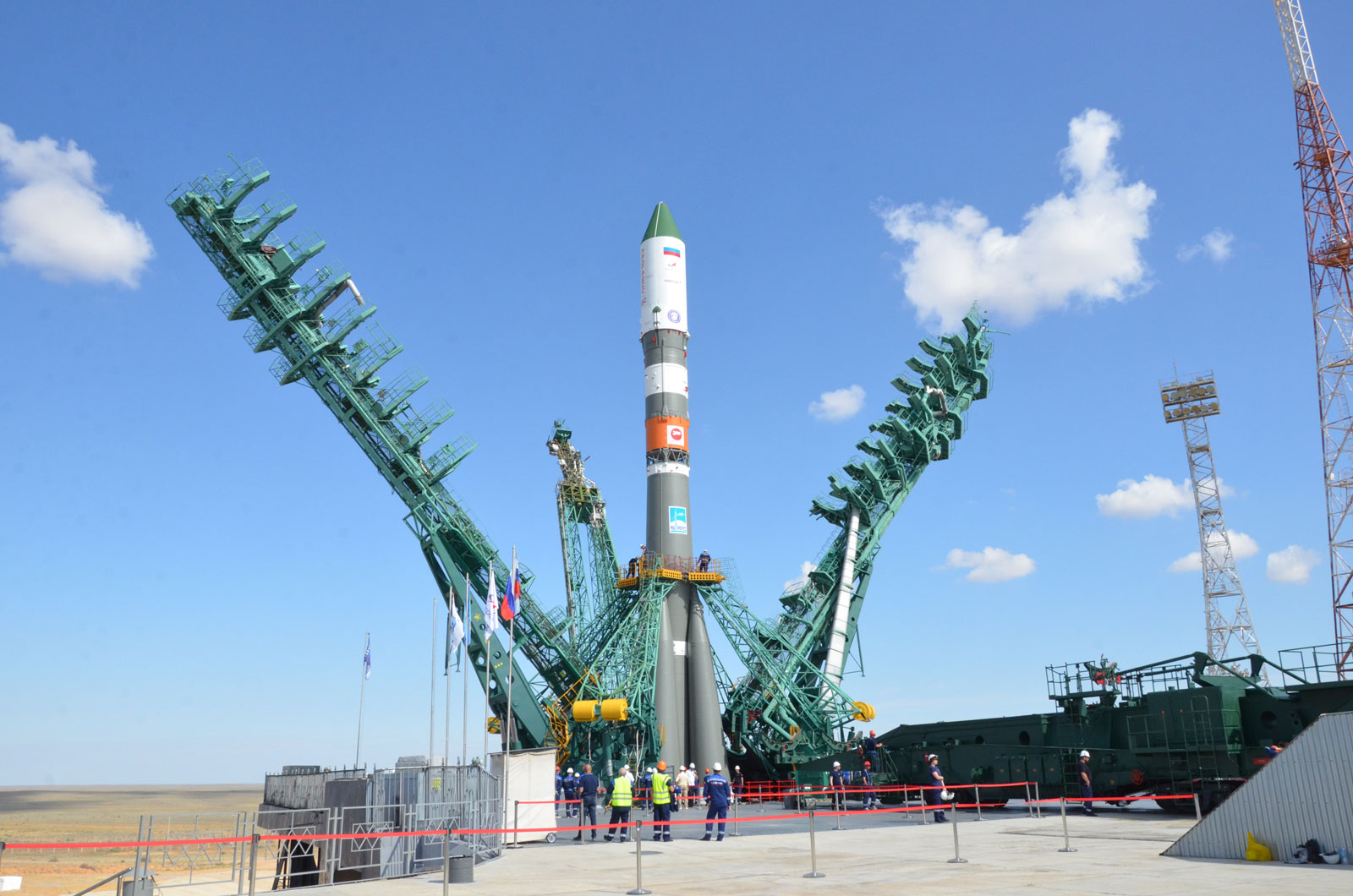
Soyuz 2.1a | Soyuz MS-16
Progress Rocket Space Center | RussiaBaikonur Cosmodrome, Republic of Kazakhstan
April 9, 2020, 8:05 a.m.
Status: Success
Mission:
Soyuz MS-16 begins expedition 62 by carrying Roscosmos cosmonauts Anatoli Ivanishin, Ivan Vagner and NASA astronaut Chris Cassidy to the International Space Station aboard the Soyuz spacecraft from the Baikonur Cosmodrome in Kazakhstan. After launching from the Baikonur Cosmodrome in Kazakhstan, they will rendezvous to the station where they will remain for their 6 month stay.
Low Earth OrbitThe Roscosmos State Corporation for Space Activities, commonly known as Roscosmos, is the governmental body responsible for the space science program of the Russian Federation and general aerospace research. Soyuz has many launch locations the Russian sites are Baikonur, Plesetsk and Vostochny however Ariane also purchases the vehicle and launches it from French Guiana.
Falcon 9
BlueBird 11-13 (Block 2 #6-8)
Space Launch Complex 40 - Cape Canaveral SFS, FL, USAAST SpaceMobile’s Block 2 BlueBird satellites are designed to deliver up to 10 times the bandwidth capacity of the BlueBird Block 1 satellites, requi…
Smart Dragon 3
OSE HS-01 & 02
Haiyang offshore launch location - Haiyang Oriental Spaceport2 hyper-spectral Earth observation satellites from Chinese company STAR.VISION. Both satellites are built in corporation with foreign customers: *…
Falcon 9
Starlink Group 17-53
Space Launch Complex 4E - Vandenberg SFB, CA, USAA batch of 24 satellites for the Starlink mega-constellation - SpaceX's project for space-based Internet communication system.
Long March 8A
SatNet LEO Group 23
Commercial LC-1 - Wenchang Space Launch Site, People's Republic of ChinaA batch of 9 Low Earth Orbit communication satellites for the Chinese state owned SatNet constellation operated by the China Satellite Network Group.…
Falcon 9
Starlink Group 17-52
Space Launch Complex 4E - Vandenberg SFB, CA, USAA batch of 24 satellites for the Starlink mega-constellation - SpaceX's project for space-based Internet communication system.

