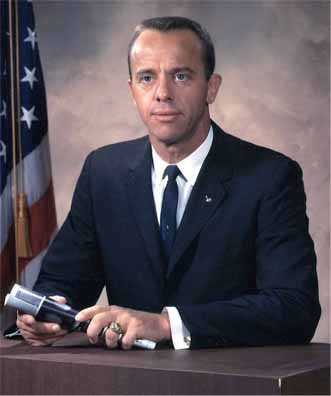
Alan Shepard
American - (NASA)
Deceased
Date of Birth: Nov. 18, 1923
Date of Death: July 21, 1998
Rear Admiral Alan Bartlett Shepard Jr. was an American astronaut, naval aviator, test pilot, and businessman. In 1961 he became the first American to travel into space, and in 1971 he walked on the Moon.
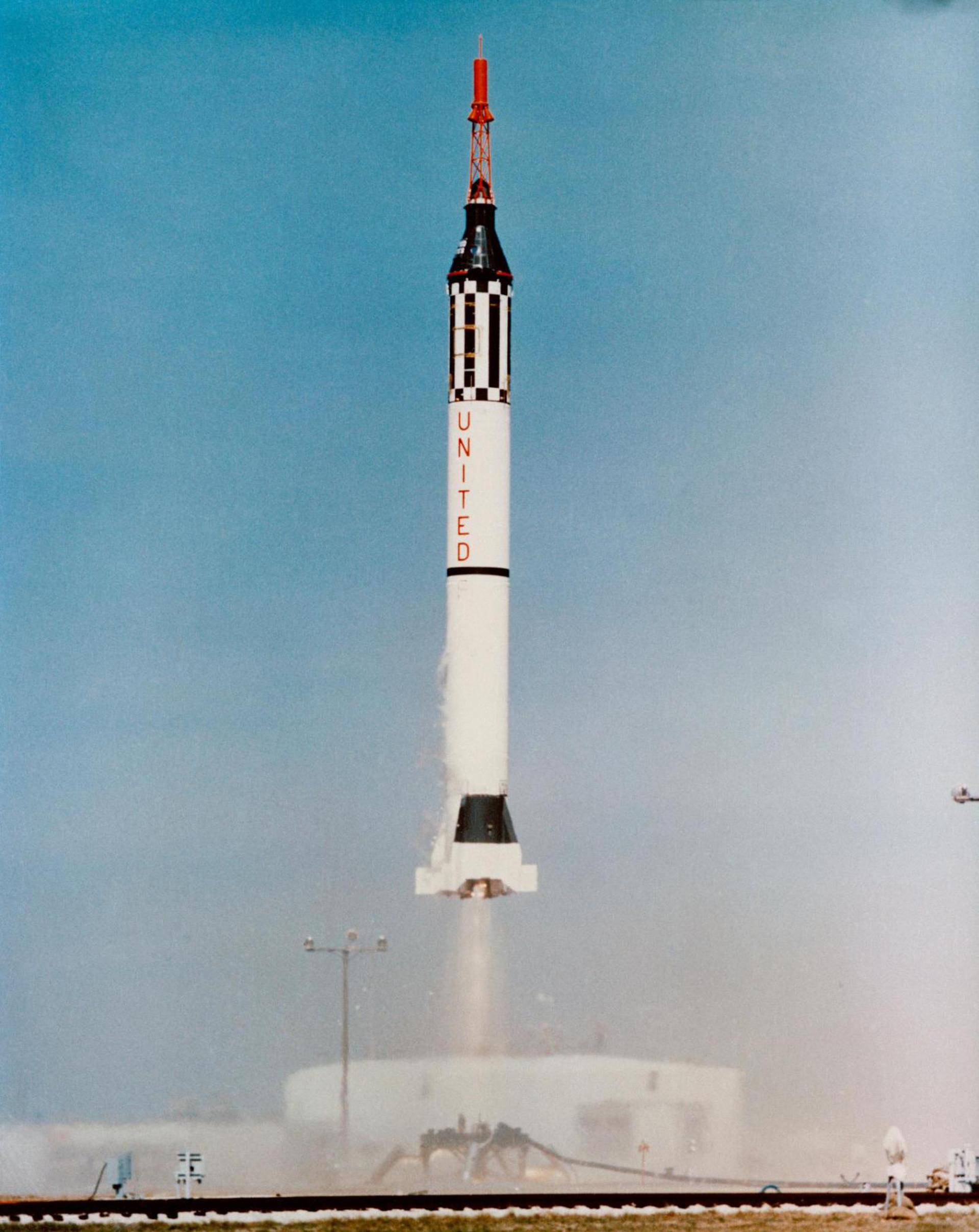
Redstone MRLV | Mercury-Redstone 3
Chrysler | United States of AmericaCape Canaveral SFS, FL, USA
May 5, 1961, 2:34 p.m.
Status: Success
Mission:
Mercury-Redstone 3, or Freedom 7, was the first United States human spaceflight, on May 5, 1961, piloted by astronaut Alan Shepard. It was the first manned flight of Project Mercury, the objective of which was to put an astronaut into orbit around the Earth and return him safely. Shepard's mission was a 15-minute suborbital flight with the primary objective of demonstrating his ability to withstand the high g-forces of launch and atmospheric re-entry.
Suborbital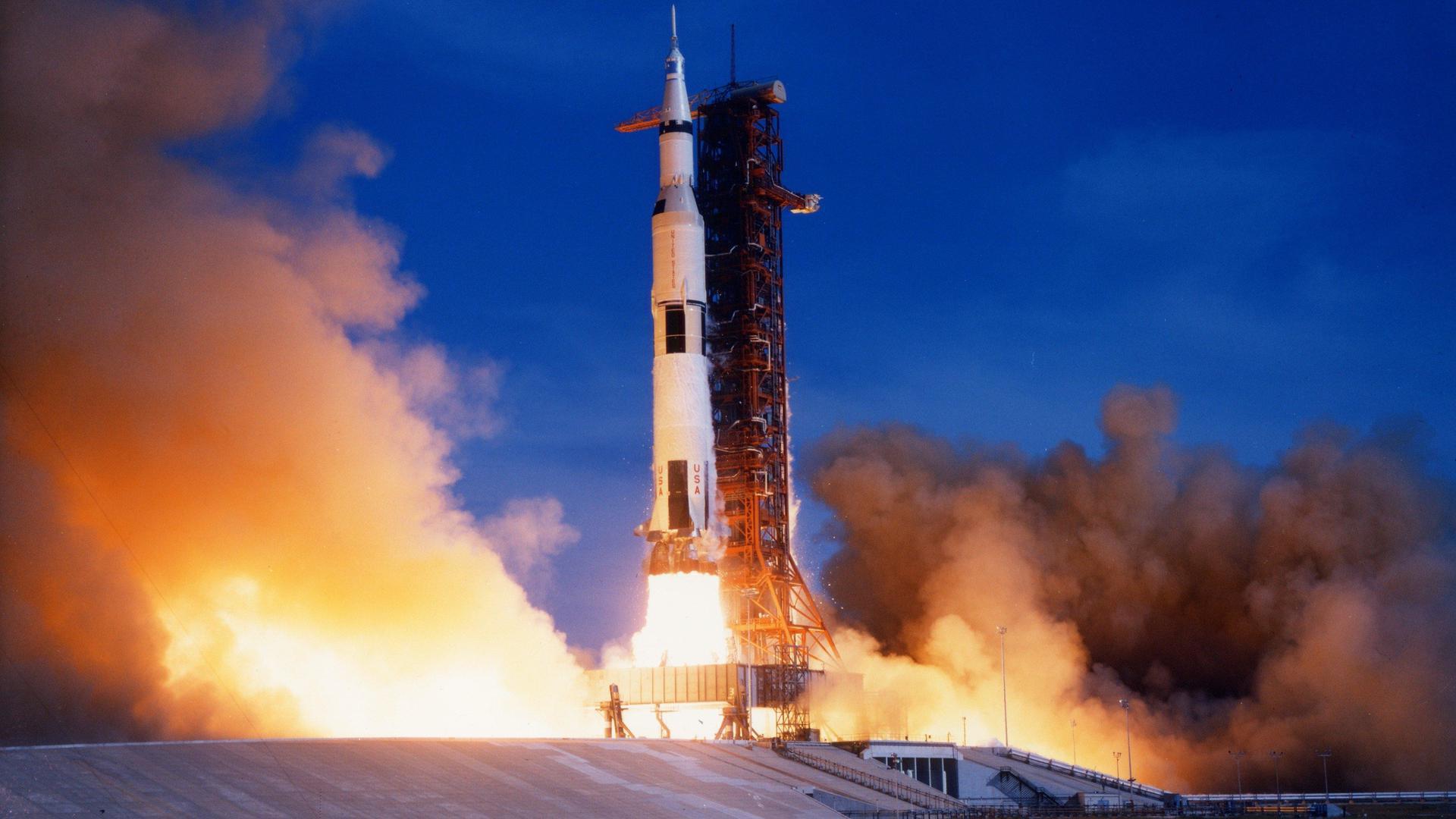
Saturn V | Apollo 14
National Aeronautics and Space Administration | United States of AmericaKennedy Space Center, FL, USA
Jan. 31, 1971, 9:03 p.m.
Status: Success
Mission:
Apollo 14 was the eighth manned mission in the Apollo Program. The third mission to land on the moon. This mission was a two day stay on the lunar surface and carried out two EVAs. Commanded by Alan Shepard, Command Module Pilot Stuart Rossa, and Lunar Module Pilot Edgar Mitchell. During the two lunar EVAs, 42.80 kilograms of moon rock samples was collected.
Lunar Orbit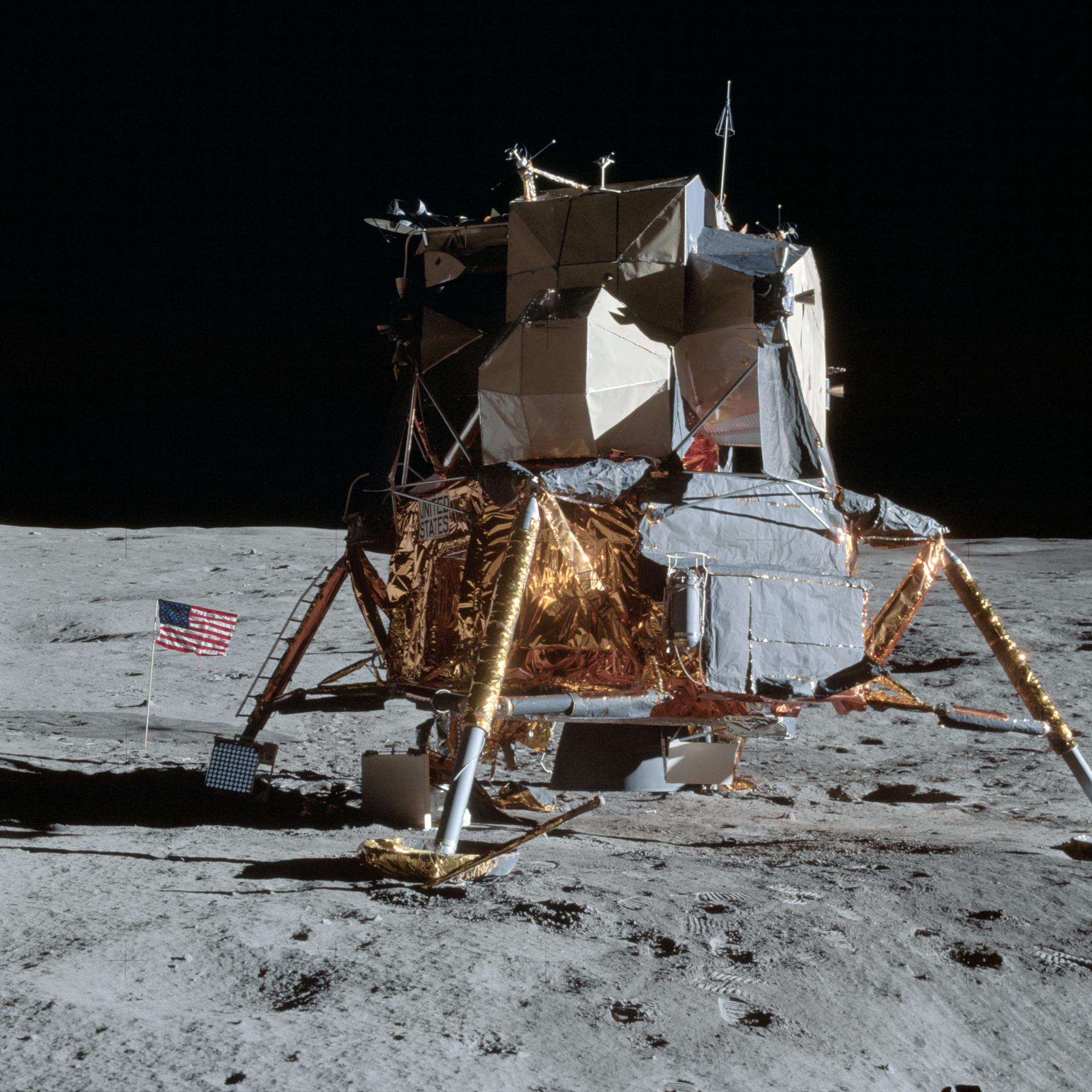
The National Aeronautics and Space Administration is an independent agency of the executive branch of the United States federal government responsible for the civilian space program, as well as aeronautics and aerospace research. NASA have many launch facilities but most are inactive. The most commonly used pad will be LC-39B at Kennedy Space Center in Florida.
Falcon 9
Starlink Group 17-51
Space Launch Complex 4E - Vandenberg SFB, CA, USAA batch of 24 satellites for the Starlink mega-constellation - SpaceX's project for space-based Internet communication system.
Starship
Flight 13
Orbital Launch Pad 2 - SpaceX Starbase, TX, USA13th test flight of the two-stage Starship launch vehicle. Second flight of Starship V3. For the first time, Starship will carry 20 V3 Starlink sa…
Kinetica 1
5 satellites
Launch Area 130 - Jiuquan Satellite Launch Center, People's Republic of ChinaShare-ride of 5 commercial Earth observation and technology demonstration satellites to SSO, including SpaceTY's TY-48. Details TBD.
Long March 3B/E
Tianlian 2-06
Launch Complex 2 (LC-2) - Xichang Satellite Launch Center, People's Republic of ChinaTianlian is a Chinese data tracking and relay communications geostationary satellite series. The TL 2 (Tian Lian 2) satellites represent the second g…
Gravity-1
9 satellites
Yellow Sea (launch location 5) - Haiyang Oriental SpaceportCarried 9 satellites on a share-ride to sun-synchronous orbit. Details TBD.

